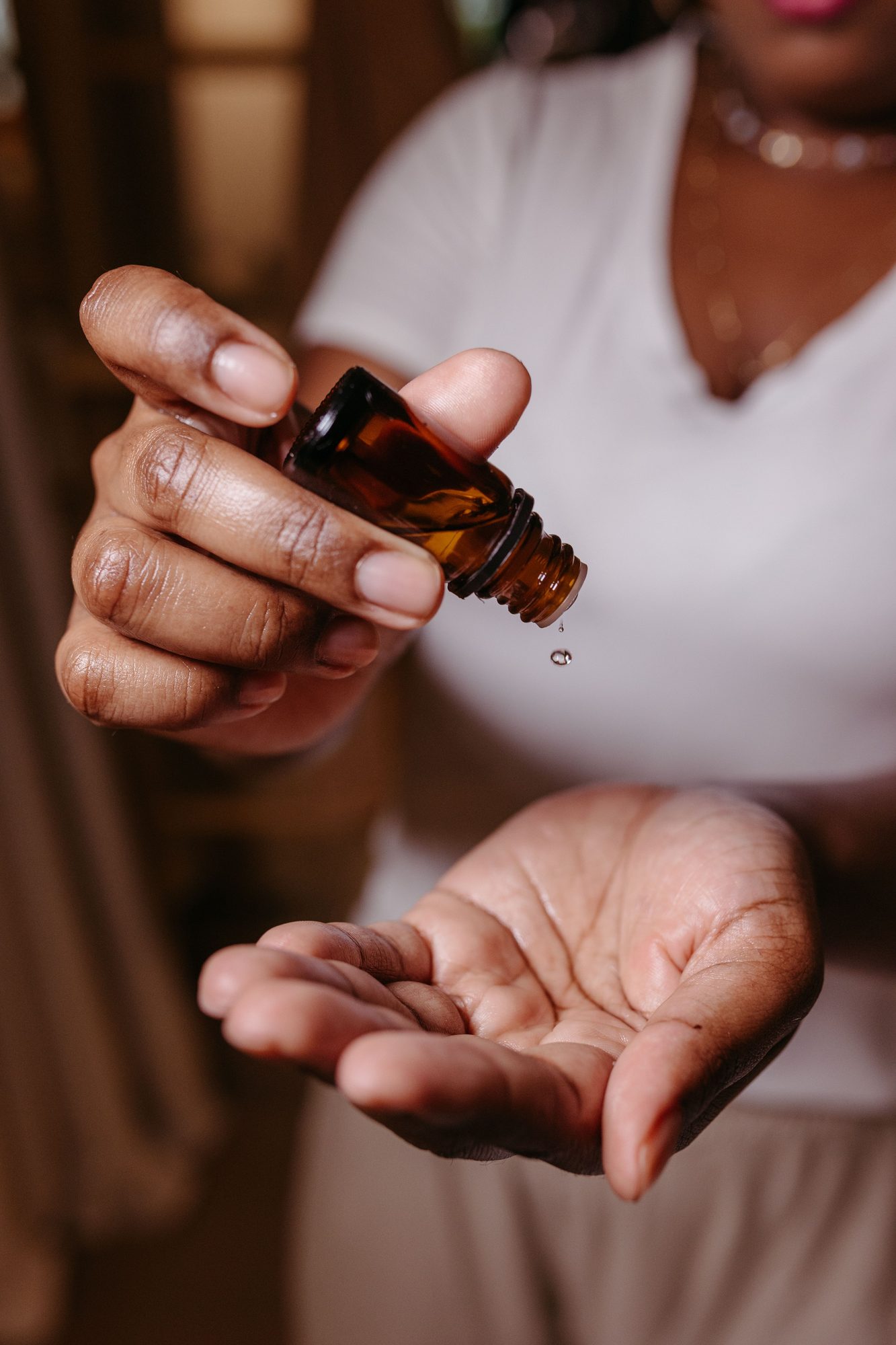
Most of the time, when we hear the word “self-care,” we think of pampering and luxury. While these can certainly be part of self-care, they are not the whole story.
As we continue to mark International Self-Care Day, we invite you to reflect on where self-care really begins, and where it ends.
Self-care begins with awareness and is sustained by intentional choices that help us live well.
What is self-care?
Self-care is about consistently doing what genuinely helps us live well. It is not about doing whatever feels good!
The World Health Organization defines self-care as the ability of individuals, families, and communities to promote health, prevent disease, maintain health, and cope with illness and disability, with or without the support of a healthcare provider.
We can also say that self-care is the practice of looking after our own health and wellbeing using the knowledge, resources, and support available to us.
Where does it begin?
Self-care begins with awareness. Recognizing that we have one life and that caring for ourselves is our responsibility. It means paying attention to our physical health, emotional wellbeing, relationships, environment, lifestyle, and knowing when we need professional support. Self-care starts long before the spa appointment; it starts with paying attention.
It is sustained through ownership and intentional daily choices. By daily, we mean consistently. Whatever is realistic and sustainable for you still counts!
And yes, healthy indulgence has its place.
A favorite meal, a weekend away, flowers on your table, a touch of makeup, or buying something that genuinely brings you joy are all meaningful expressions of self-care. These moments make the journey enjoyable. The key is to choose things that support our wellbeing rather than replace it. Self-care has room for pleasure, but not for escaping reality.
So where does self-care end?
It stops being self-care when it becomes an excuse to avoid responsibility, when it consistently harms others, or when we use it to distract ourselves instead of addressing what truly needs our attention. It also does not replace healthcare.
Sometimes the most caring thing we can do for ourselves is seek professional help. For example, journaling may support emotional wellbeing, but sometimes, even if a person finds safety in journaling, therapy is the solution. Good skincare matters, but a persistent skin condition deserves a dermatologist's attention.
Where do we go from here?
We invite you to start reflecting on where you are on your self-care journey. The answer will reveal what needs more attention and what is already serving you well.
In our self-care & rituals category, we will share healthy practices and experiences that work. Stay with us as we exchange ideas we hope will support you on your self-care journey.
Self-care is a tool we use on our wellness journey. It helps us build a healthy, balanced, and meaningful life.
We hope you are on that journey!
To your wellbeing!